
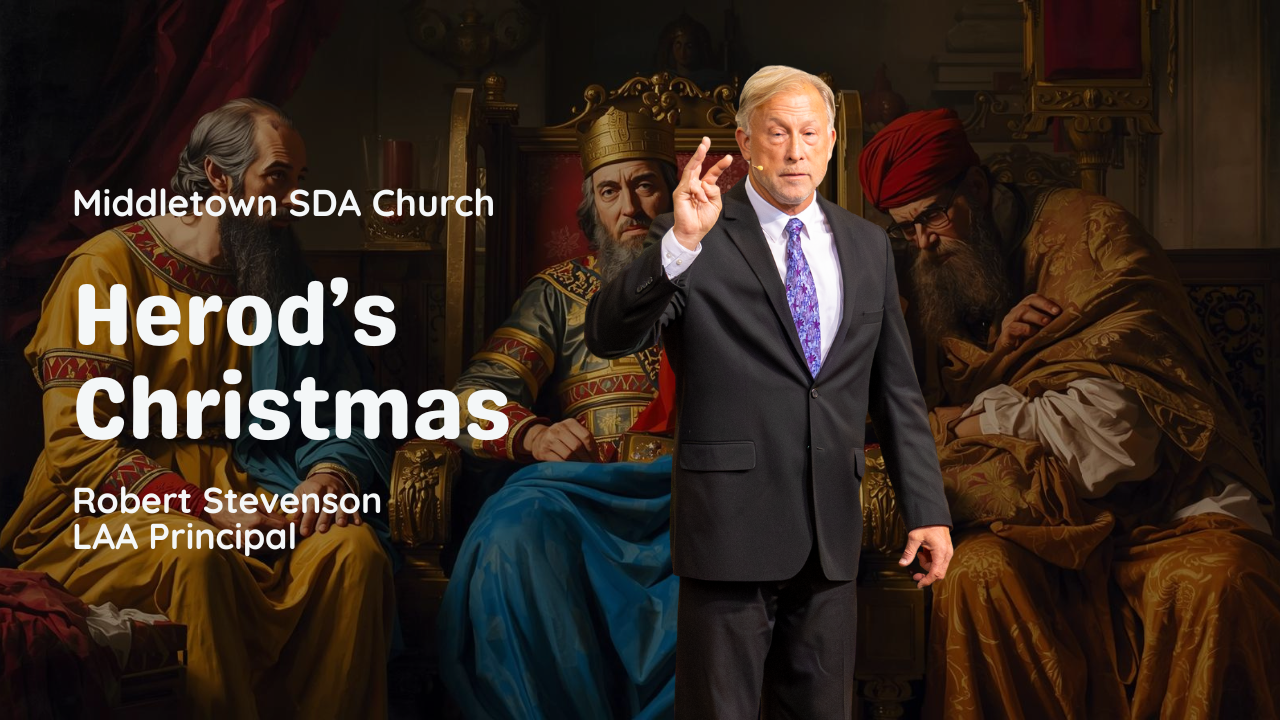
Christmas brings us face to face with a powerful question that echoes through the ages: when the King of Kings arrives, will we make room for Him? The story of Herod the Great offers us a sobering mirror to examine our own hearts and the compromises we make in pursuit of power, success, and security.
Who Was Herod the Great?
Herod the Great was a complex figure in biblical history – a man of remarkable achievements who ultimately became consumed by his own ambition. Born an Edomite (essentially Arab by ethnicity), his family had converted to Judaism about 200 years earlier. Through political maneuvering and charisma, he became ruler not just of Judea, but of vast territories including parts of modern-day Jordan, Syria, and Babylon.
Herod’s Impressive Accomplishments
This man was no small-time ruler. Herod’s resume was extraordinary:
- Built the port city of Caesarea from scratch, developing Portland cement in the process
- Constructed the fortress of Masada
- Oversaw the complete rebuilding of the Jerusalem temple, making it one of the seven wonders of the world
- Served as president of the Olympic Committee
- Survived civil wars and invasions through shrewd political alliances
The temple he built was so magnificent that its white marble exterior would shine brilliantly in the sunlight, visible from miles away. When Jesus’ disciples marveled at its beauty, Christ prophesied that not one stone would be left standing upon another.
What Compromises Do We Make for Success?
Herod’s story forces us to examine our own lives. What compromises have we made to get where we are today? Perhaps we’ve:
- Moved our families repeatedly for career advancement
- Purchased homes or cars beyond our means to maintain an image
- Cheated on tests or cut corners to advance our education
- Made moral compromises to fit in with the “in crowd”
- Sacrificed family time for professional success
The Cost of Ambition
Herod’s obsession with power led him to horrific acts. Despite loving his wife Mariamne, he had her and their children executed based on palace intrigue and lies, fearing they threatened his throne. He had 14 children from eight different wives, many of whom he later killed. The Romans mockingly said it was better to be Herod’s dog than his family member.
This reveals the dangerous progression of unchecked ambition – it eventually consumes everything we claim to love and protect.
When the Wise Men Came Seeking the True King
Near the end of Herod’s reign, wise men from the East arrived following a new star. These were likely astrologers from the Parthian region (modern-day Iran and surrounding areas), possibly part of the Jewish diaspora who understood biblical prophecy.
Herod’s Visceral Response
When they asked about the “King of the Jews,” something deep within Herod recoiled. This title represented everything he had fought for, schemed for, and killed for. The thought of another claiming it created a visceral, uncomfortable response in his soul.
After consulting the scriptures and learning the Messiah would be born in Bethlehem, Herod told the wise men to find the child and report back “so that I too may worship him.” But his true intentions were murderous.
Finding Jesus in Unexpected Places
The wise men expected to find the newborn king in a palace – don’t we all? We often expect our Christian lives to be filled with comfort, predictability, and material blessing. But the star led them to a humble carpenter’s home, where they found a teenage mother and her baby boy.
True Worship Versus False Intentions
Without questioning the humble circumstances, these foreign visitors laid their precious gifts of gold, frankincense, and myrrh before the Christ child and worshiped Him. Meanwhile, Herod waited with murderous intent.
When the wise men were warned in a dream not to return to Herod, and Joseph was told to flee to Egypt, we see God’s protection over His Son. But Herod’s response was swift and brutal – he ordered the massacre of all male children in Bethlehem under two years old.
The Herod Within Us All
The uncomfortable truth is that we all have a “Herod” within us – that part of our human nature that resists surrendering control to Christ. We may know all the right answers, sing the worship songs, and attend church regularly, but when faced with truly letting Jesus be King of our lives, do we experience that same visceral resistance Herod felt?
What Does It Mean to Make Room for Jesus?
Making room for the newborn King means:
- Surrendering our ambitions to His will
- Choosing His kingdom over our earthly success
- Releasing our grip on power, control, and status
- Allowing Him to transform our priorities and values
- Trusting Him even when His ways seem humble or unexpected
Life Application
This Christmas season, we must honestly examine our hearts and ask: Is there room for the newborn King in my life? We need to pray that the “Herod” within us – that part that clings to worldly power and success at any cost – will die so that Jesus Christ can truly come home to our hearts.
The wise men found Jesus in the most unexpected place and worshiped Him without reservation. They didn’t let humble circumstances diminish their recognition of His true identity. When Christ comes again, will He find us ready to receive Him as our King, or will we be too busy protecting our own kingdoms?
Questions for Reflection:
- What compromises have I made in pursuit of success or acceptance that may be keeping Jesus at arm’s length?
- When I think about truly surrendering control of my life to Christ, what fears or resistance do I feel?
- Am I looking for Jesus in “palaces” (comfortable, expected places) rather than being open to His humble, unexpected ways?
- What would it practically look like for me to make more room for Jesus as King in my daily life this week?