
Have you ever felt like you’re waiting for a divine performance review? That nagging uncertainty about where you stand with God can create deep anxiety in our spiritual lives. Many people live their entire lives wondering: “Am I okay with God? Have I done enough? Did I mess it up again?”
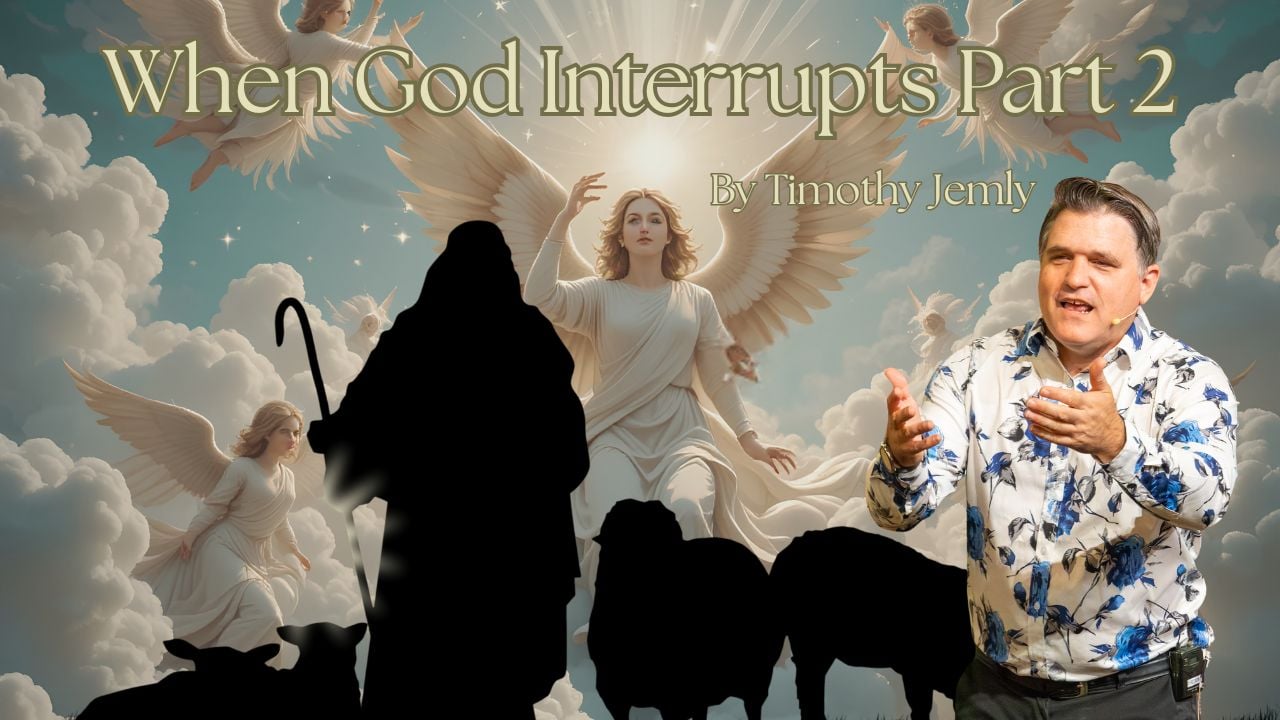
This fear of divine judgment isn’t new. It’s exactly what the shepherds in Luke Chapter 2 were experiencing when God chose them to receive the most important announcement in human history.
Why Were the Shepherds So Afraid?
When the angel appeared to the shepherds, Luke tells us they were “terrified.” The Greek word used is “phobeo,” from which we get the word “phobia.” These weren’t just mildly surprised men – they were crawling away in absolute terror.
But why such intense fear? It wasn’t simply because an angel appeared. They were afraid because they assumed God had finally noticed them – and not in a good way. They thought their divine performance review had arrived.
The Social Status of Shepherds
Shepherds were among the most disrespected people in first-century society. Their testimony wasn’t even admissible in court. They were considered ceremonially unclean, unable to keep Sabbath laws or regularly attend temple worship. Religion told them they were disqualified from God’s favor.
Yet God deliberately chose these outcasts to receive the first announcement of the Messiah’s birth. He skipped the palace, bypassed the temple, and ignored the religious professionals to go straight to those who assumed God wanted nothing to do with them.
Three Common Fears That Keep Us From God
The Fear of Being Unworthy
The shepherds felt deeply unworthy, constantly told they weren’t enough. This fear didn’t die in the first century. Many of us live with what psychologists call “imposter syndrome” – the feeling that eventually everyone will discover we’re not as good as they think.
Spiritually, many Christians live with “imposter faith.” We sing the songs and know the language, but deep down we think, “If God really knew me…”
The Fear of Being Inadequate
The shepherds were uneducated with no upward mobility or spiritual credentials. They fell into the trap of comparison – the thief of joy and enemy of sanity. We compare our behind-the-scenes struggles with everyone else’s highlight reel.
Fear is amazing at math: it multiplies problems but divides hope.
The Fear of Being Unloved
Shepherds were distrusted and avoided, treated like criminals even when honest. They weren’t wanted, welcomed, or chosen. Some of us know this feeling intimately – abandoned, rejected, passed over. We wonder: “If people don’t love me, how could God?”
Religion vs. Grace: The Crucial Difference
Religion didn’t help the shepherds. It told them to try harder, be better, do more. Religion can be exhausting because the finish line keeps moving. If rules could save us, Jesus could have stayed in heaven and sent us a checklist instead.
What the Law Actually Does
Paul explains in Romans 3:20-22 that no one will be declared righteous by following the law. The law is a mirror, not a ladder. It shows us our need but doesn’t supply the solution.
The gospel declares: “This righteousness is given through faith in Christ to all who believe.” Not Christ plus effort, not Christ plus religion, not Christ plus performance – just Christ.
Grace Changes Everything
Grace is offensive to some because it means you can’t brag about earning God’s approval. Martin Luther nearly destroyed his body trying to earn God’s favor through fasting, prayer, and obsessive confession. But when he realized that “the righteous shall live by faith,” everything changed.
God wasn’t waiting for Luther to perform – God had already provided.
Grace Doesn’t Mean License
Grace doesn’t give us permission to sin. When you accept Jesus as Savior, you also accept Him as Lord. The law doesn’t disappear – it becomes a mirror rather than a measuring stick, showing us areas where Jesus wants deeper access to our lives.
We don’t change by willpower; we change by surrender. Like a GPS that recalculates when you miss a turn, grace doesn’t condemn – it redirects.
The Angel’s Message Still Applies Today
The angel didn’t say, “Fear not, get better.” He said, “Fear not, a Savior has been born to you.” Before the shepherds changed anything, before they cleaned up or believed correctly, grace showed up.
You don’t clean up to come to Jesus – you come to Jesus to get cleaned up.
Fear says hide; grace says come here. Fear says you don’t belong; grace says you were always the reason Jesus came.
The shepherds went to Bethlehem exactly as they were – and they left changed.
Life Application
This week, challenge yourself to stop living in fear of divine disapproval and start living in the reality of God’s grace. Instead of trying to earn God’s love through performance, accept that His love for you is already complete through Christ.
Ask yourself these questions:
- What fears about my worthiness am I allowing to control my relationship with God?
- Am I trying to earn God’s approval through my actions, or am I resting in what Christ has already done?
- How would my daily life change if I truly believed that God’s grace is sufficient for me?
- What would it look like for me to “come as I am” to Jesus this week, trusting Him to do the changing?
Remember: God’s grace reaches the unworthy, strengthens the inadequate, and loves the unloved. The same message the angel gave to the shepherds is for you today – fear not, your Savior has come.